

Rob Forsyth
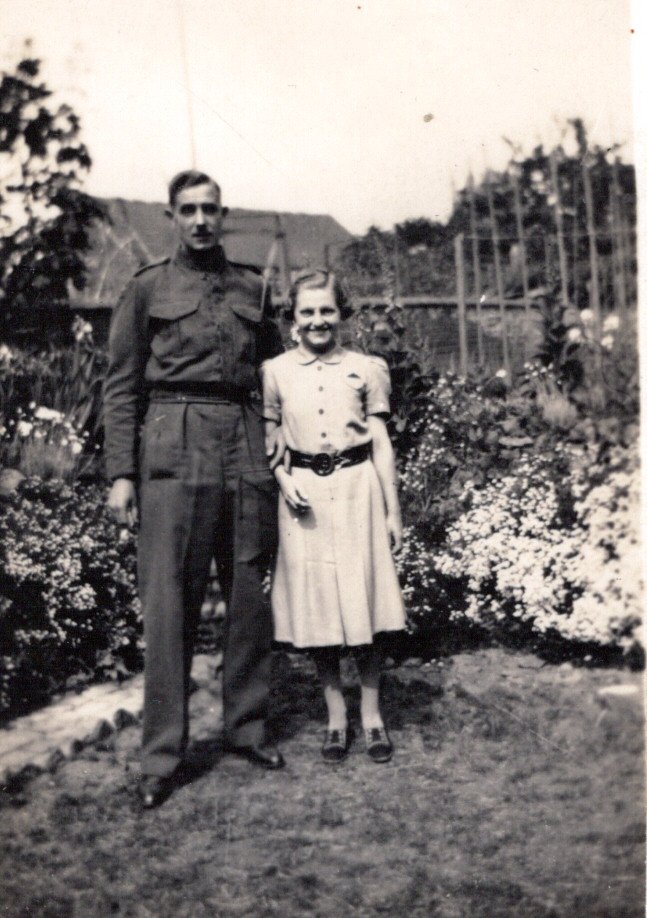
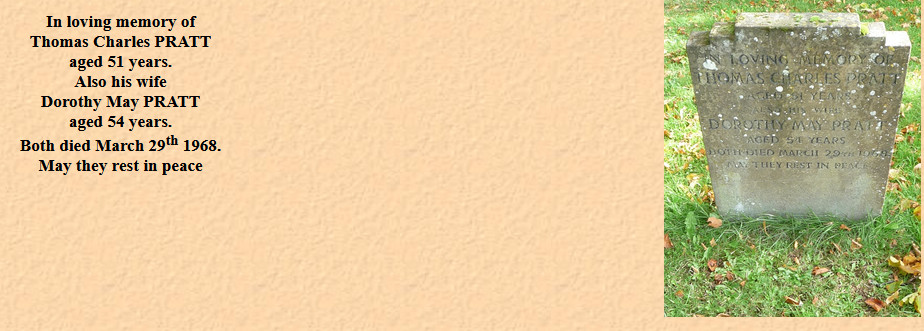
Barry Charles Pratt was born in 1950 the only son of Tom & Dorothy Pratt (née Spiers) who were tragically killed in a car crash in 1968.
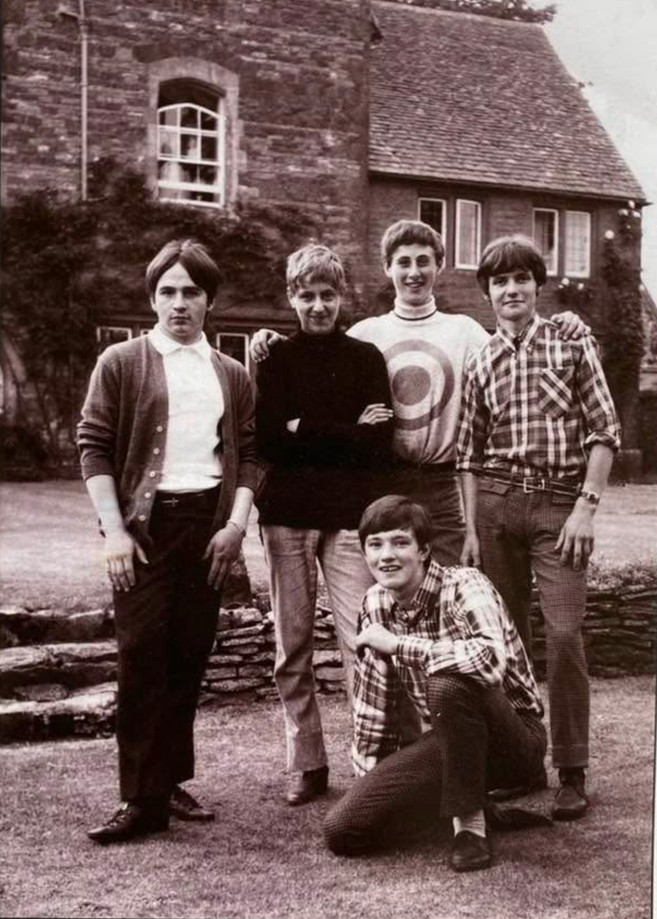
From an early age Barry demonstrated his talents as a musician playing with a local group 'Antics'. In the photograph from L to R are: Geoff Butler (guitar), Barry Pratt (guitar), John Churchill (guitar), Trevor Ault (drums) and Colin Sykes kneeling (vocals). George Gibbs joined later as bass guitar, Gina Nutt as vocals and Bill Smith was their manager. The photo was taken after the group's first gig in Duns Tew. Band practice was usually in the upstairs room at the Unicorn where those in the bar would eventually join them and end up with a packed room.
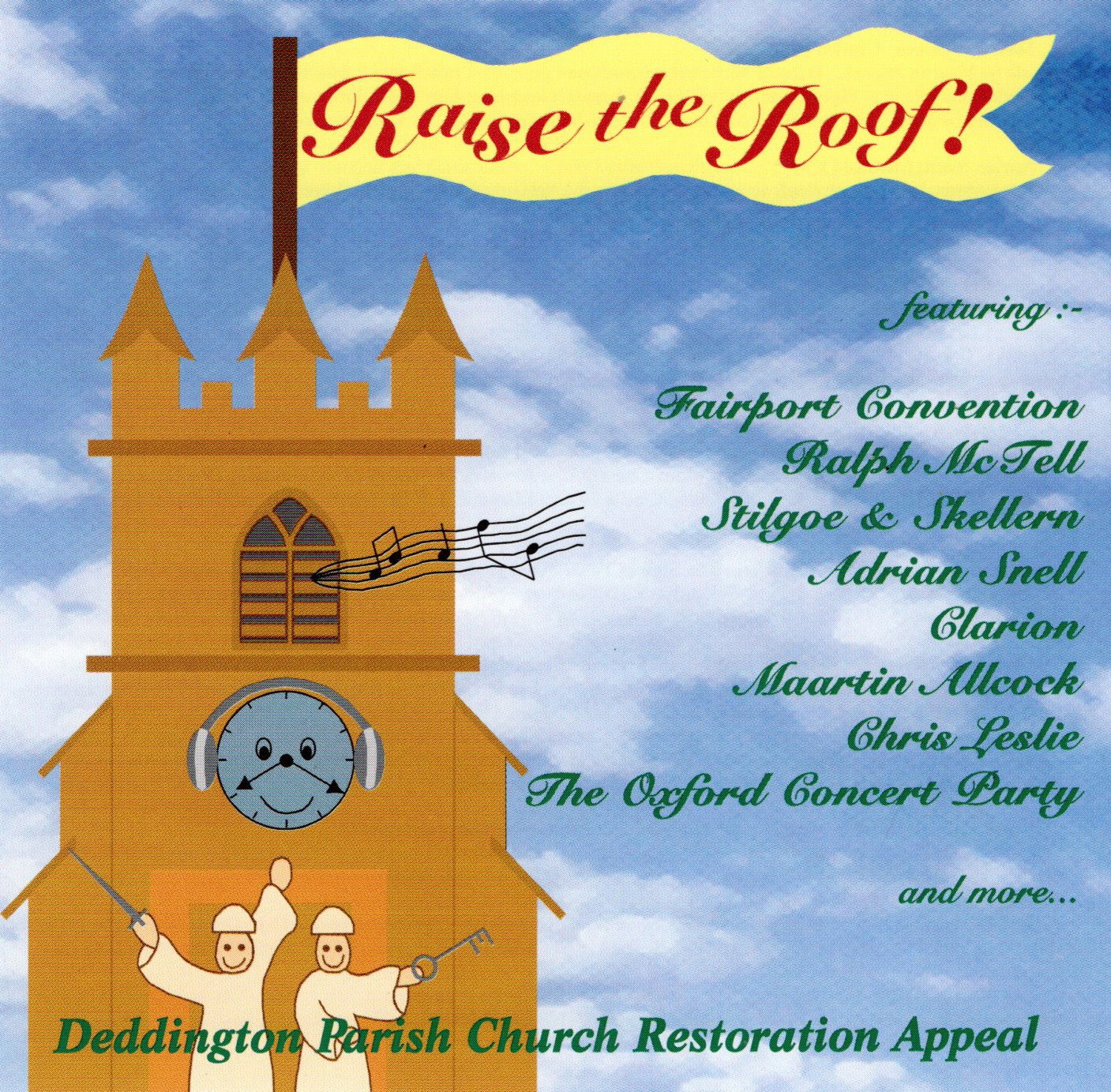
He was a long-term resident of Deddington living at No 6 Hudson Street. In 1997 he supported a fund-raising appeal for the Parish Church as one of several talented musicians - among them Fairport Convention, Richard Stilgoe and local lad fifteen year-old Alex Soddy (who carried on to become an international opera conductor) - contributing pieces to a CD called 'Raise the Roof'.
Click on image of CD cover to see its contents and click HERE to listen to it courtesy of Deddington Parish Church
Professional career
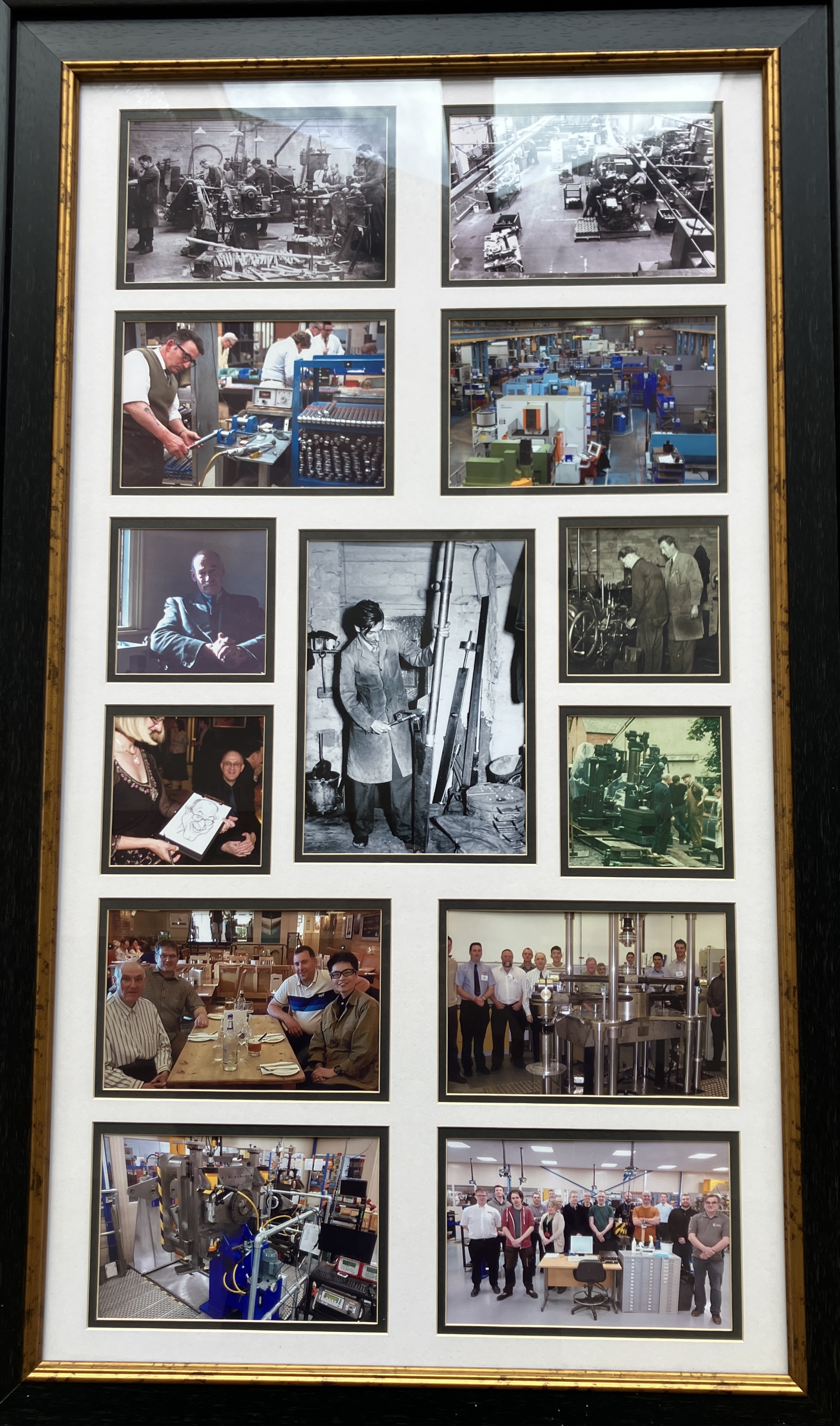
Barry worked for over 55 years with the North Bar Tool Company in Banbury. He was the only employee to work across all four of Norbar's sites. His technical skills and meticulous attention to detail, evidenced in his musical career, resulted in him becoming Head of the company's ‘Calibration & Metrology Laboratory’ . He was a member of the national 'Building Standards Institute'. He retired in 2017 after a long and very successful career captured by North Bar in a montage of framed images.
The international musician
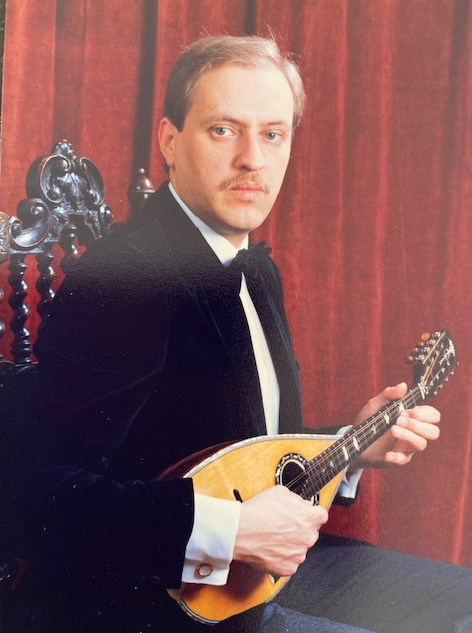
Barry's history in the mandolin world is deeply intertwined with Hugo D'Alton (1913–1994) who is widely considered one of the most influential classical mandolin virtuosos in British history. He was a formal student of D'Alton, absorbing not only his playing technique but also his deep technical philosophy regarding the instrument's physics, set-up, and acoustic demands. D'Alton was famous for physically manufacturing his own bespoke, highly specialised mandolin strings. Following D'Alton’s retirement and subsequent passing, Barry inherited the responsibility of keeping this specific acoustic tradition alive.
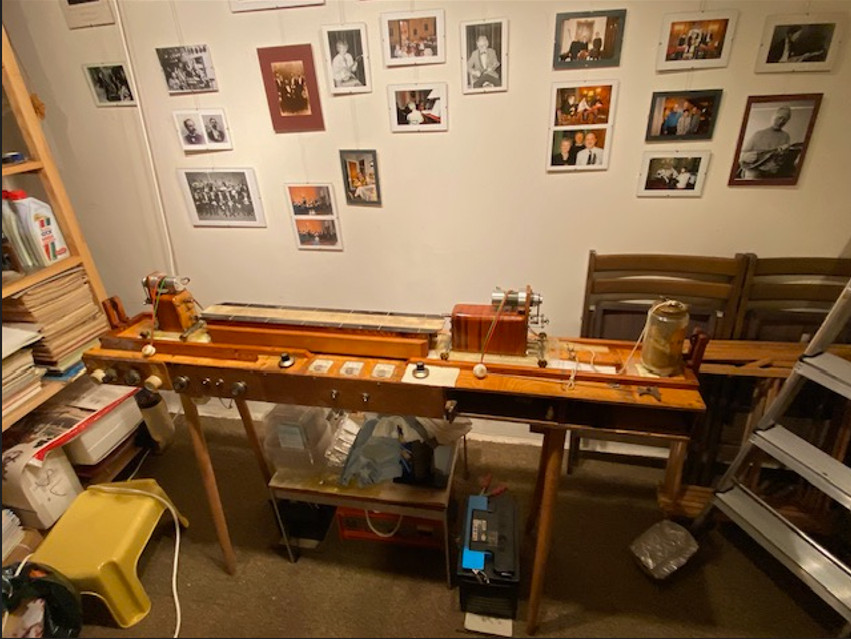
He took over D’Alton’s original string-making machinery and personally continued winding and producing these unique classical strings for the community for decades until health issues forced him to stop. The image is of the instrument - powered by two car batteries - in the cellar of his house. It has been passed to Daniel Doce, another talented player in the Philippines who, on 1 May 2026 posted an article about the instrument on the Mandolin Café website.
Barry's most permanent historical legacy is his rigorous archival work tracking the evolution of 'Luthiery' [Editor:a Luthier is a stringed instrument maker]. Alongside Belgian mandolinist and researcher Ralf Leenen, he spent years compiling historical data, luthier catalogues and surviving instruments. His written scholarship remains highly sought after among classical string historians. His extensive library of books and research documents are now archived with the Bodleian Library in Oxford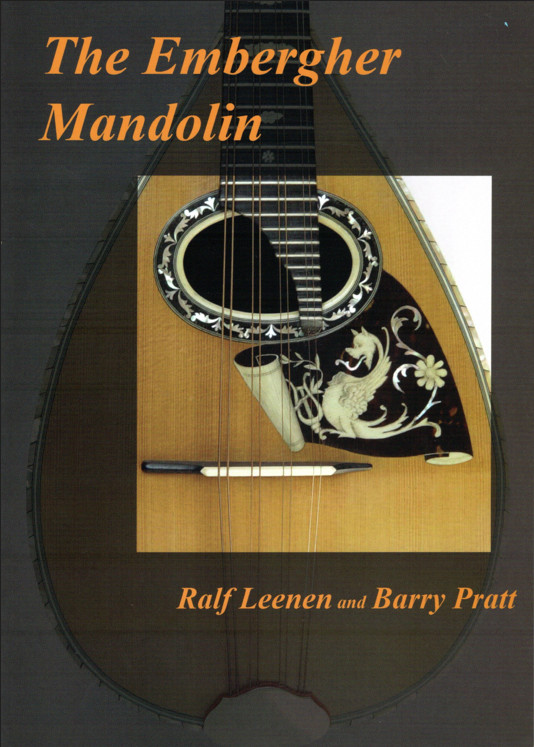 In 2004, he and Ralf Leenen published The Embergher Mandolin. The book is a biographical and technical history of Luigi Embergher (1856-1943) the master luthier, who revolutionised the Roman-style bowl-back mandolin. Prior to their work, much of Embergher’s internal workshop history, individual model variations (such as the famed No. 5bis and No. 6 solo instruments), and original factory labels were fragmented or unverified. Their book meticulously charted every technical modification Embergher made over his long career. Musicologists, including Dr. Paul Sparks (author of The Classical Mandolin), formally recognised Barry as one of the world's leading foremost authorities on the subject. His Foreword to the book and more about the authors can be seen by clicking on the cover image.
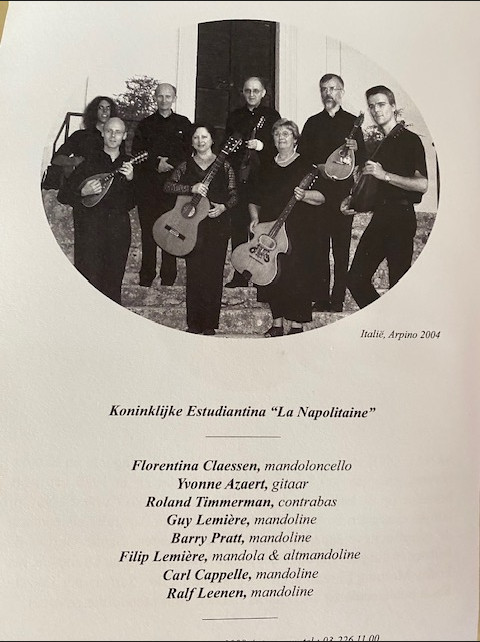 While Barry did perform on global concert stages [he is the central figure in front of the door in this 2004 programme cover image (l). Click on the cover to see it and a further selection of his performance programmes] - Barry chose the path of an organologist and technical consultant.* For decades, collectors, luthiers, and dealers across Europe and the United States have relied on his authentication methods to identify genuine Embergher instruments and separate them from 20th century counterfeits or misattributed Roman workshop builds.
* Organology refers to the science, history, classification, and physical mechanics of musical instruments
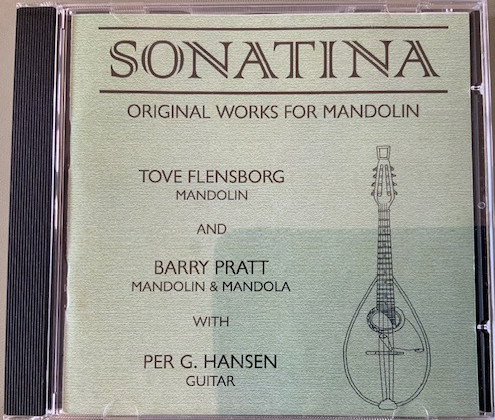
In conjunction with Tove Flensberg and Per Hansen the trio recorded its own CD named 'Sonatina'. Released in 2000, this classical chamber music album's title track, Sonatina, was written by the Australian composer Robert Schulz, who dedicated the piece directly to the ensemble. The recording sessions took place in 1999 at Blue Moon Studios in England
Acknowledgement
This article has been compiled with the help of Anne (née Pratt) and Rodney Hayward who have provided much of the information and all of the images. It is thanks to their care for Barry who is now (2026) in a nursing home that his life's work is being preserved by the Bodleian Library and his stringing instrument has found a good home as Barry wished. They have also donated a copy of his Embergher Mandolin book, Raising the Roof and Sonatina CDs to the Parish Archive.